Table of Contents
We’ve all been there. A Google Ads campaign is live, the budget is draining, but the results aren’t showing up. The common reaction is to start randomly changing settings – tweaking bids, rewriting ad copy, swapping keywords, and praying that one of the changes magically fixes the problem. This approach isn’t optimization; it’s expensive guesswork.
There’s a better way. It starts with a powerful mindset shift from guessing to diagnosing. Think of your campaign like a doctor thinks of a patient. A good doctor doesn’t start prescribing treatment until they’ve diagnosed the root cause of the symptoms. Your Google Ads campaign works the same way. Before you can fix anything, you must understand what is actually broken.
The good news is that your campaign provides all the answers you need. Inside your dashboard are a few key metrics that act as clear signals, telling you exactly where the problem is. This post will teach you how to decode them.
Signal #1: Low Click-Through Rate (CTR) Means Your Message Is Missing the Mark
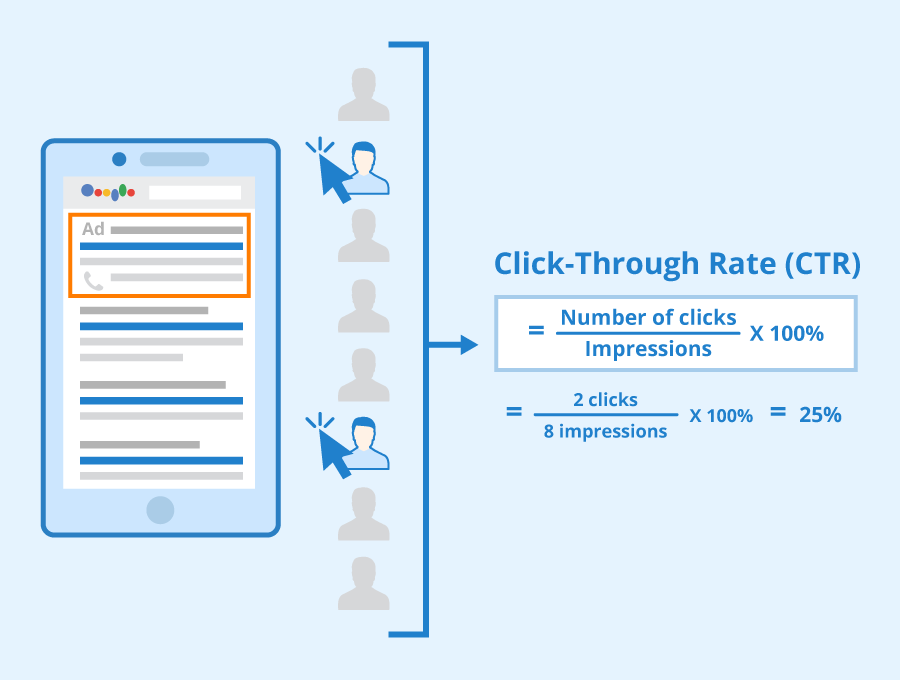
A low Click-Through Rate (CTR) isn’t a sign that your entire campaign is broken. It’s a very specific signal that your ad’s message isn’t connecting with your audience. It means people are seeing your ad in the search results, but they are ignoring it and choosing to click on something else.
This indicates a clear mismatch between your ad copy or your offer and what the searcher actually wants. When you see a low CTR, the correct action is to focus on improving your headlines, descriptions, and the core offer itself. Don’t panic or start changing budgets; read the signal and refine your message.
Signal #2: High Cost-Per-Click (CPC) Means You’re In the Wrong Conversation
Expensive clicks are not a signal about your ad quality; they are a signal about your targeting. A high Cost-Per-Click (CPC) usually points to one of two issues: either your keyword is too broad, or the audience you’re targeting is too competitive or unrefined.
Think of it this way: High CPC tells you, “We’re showing your ad to the wrong people or fighting in a crowded space.” The fix isn’t to rewrite your ad, but to refine your targeting. This involves narrowing your audience or using more specific keyword match types to ensure you’re entering the right conversation with the right people.

Signal #3: Low Conversion Rate Points to Your Landing Page, Not Your Ad
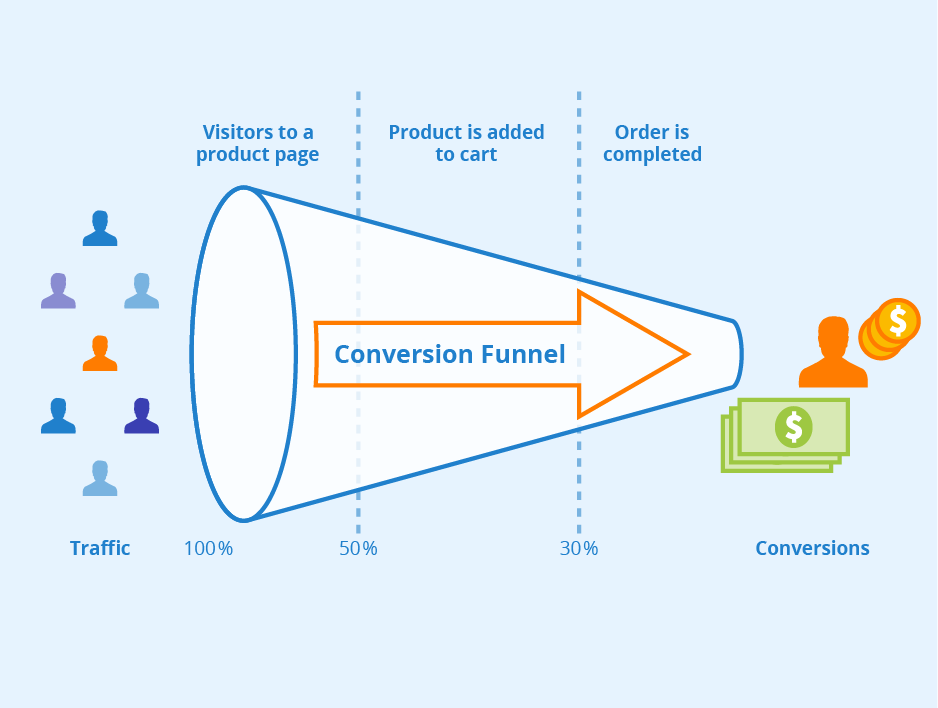
Low conversion rate is a common but critical misunderstanding that trips a lot of advertisers up. Many assume a low conversion rate means their ad is failing. It’s not. The ad’s job is to earn the click. The landing page’s job is to secure the conversion.
When you see that people are clicking your ad but not taking the desired action on your website, the problem almost always lies with the landing page. It might be too slow, confusing to navigate, or it fails to deliver on the specific promise made in your ad. The signal is clear: your ad worked, but your page did not.
When people click but don’t take action, they’re not rejecting Google, they’re rejecting your page.
Signal #4: High Cost Per Conversion Is the Ultimate Truth-Teller
While all the other metrics are important diagnostic tools, the cost per conversion is the one that matters most. This is the number that reveals if your campaign is truly profitable or if you’re just donating money to Google every day.
A high cost per conversion is the ultimate signal that your campaign is “leaking” money somewhere. Your job is to become a detective and use the other signals – CTR, CPC, and Conversion Rate – to find the source of that leak. Is the leak coming from your messaging (low CTR), your targeting (high CPC), or your website (low conversion rate)? The data tells you exactly which pipe to fix.
Every number is a clue. Google isn’t hiding anything from you. Your campaign is literally telling you what needs to change.
From Guessing to Diagnosing
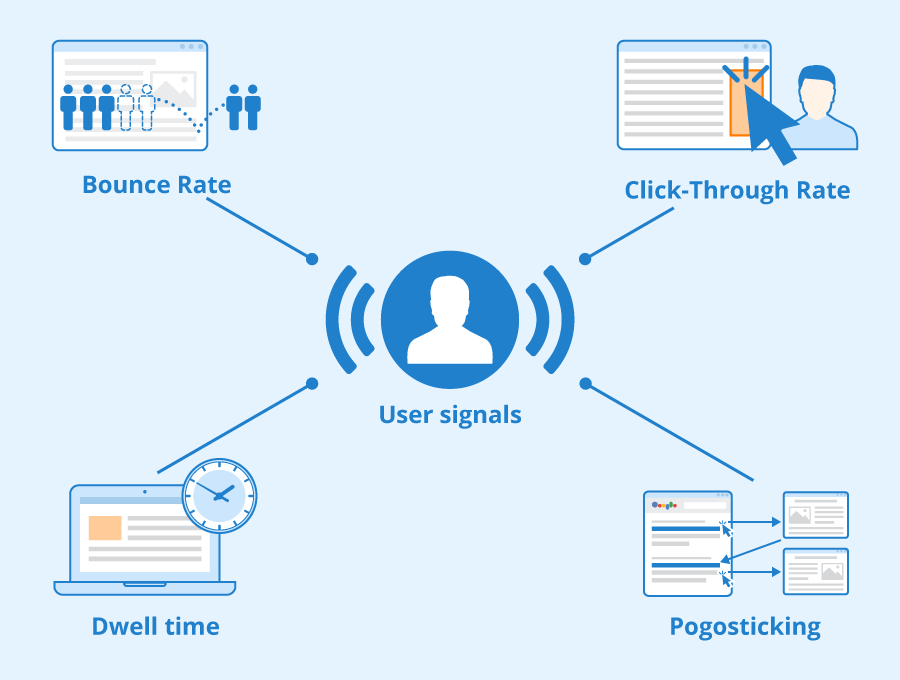
The key to achieving professional results with Google Ads is to stop turning three knobs at once and shift from panicked guessing to a calm, diagnostic approach. Learn to read the signals your campaign is sending you. By fixing one thing at a time based on what the data is clearly saying, you can transform an underperforming campaign into a profitable machine.
What is the single clearest signal your campaign is sending you today, and what is the one specific change you can make based on that diagnosis?